sheet music scanner
Upload a PDF or photos of sheet music, and it is read into a score you can play back, turn into MIDI, or download as MusicXML. It is made for real scans, not just clean renders: authentic 1800s and 1900s editions read well where other scanners collapse. copista-mini reads it: 5 credits a week without an account, and about 30 pages a week with a free one.
PDF, PNG, JPEG or WebP, up to 50 pages and 95 MB at a time. HEIC photos are not read yet; export them as JPEG.
examples
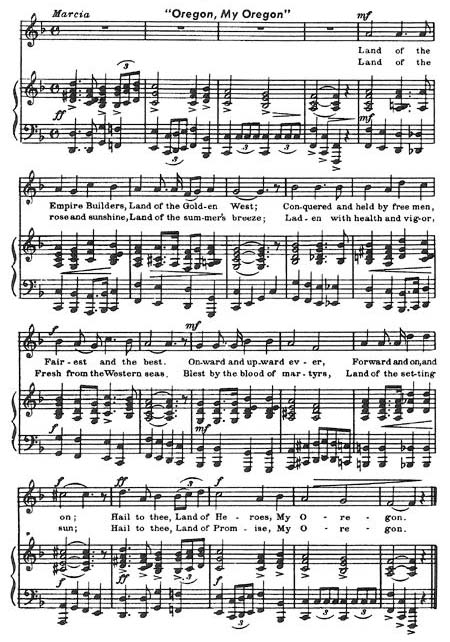
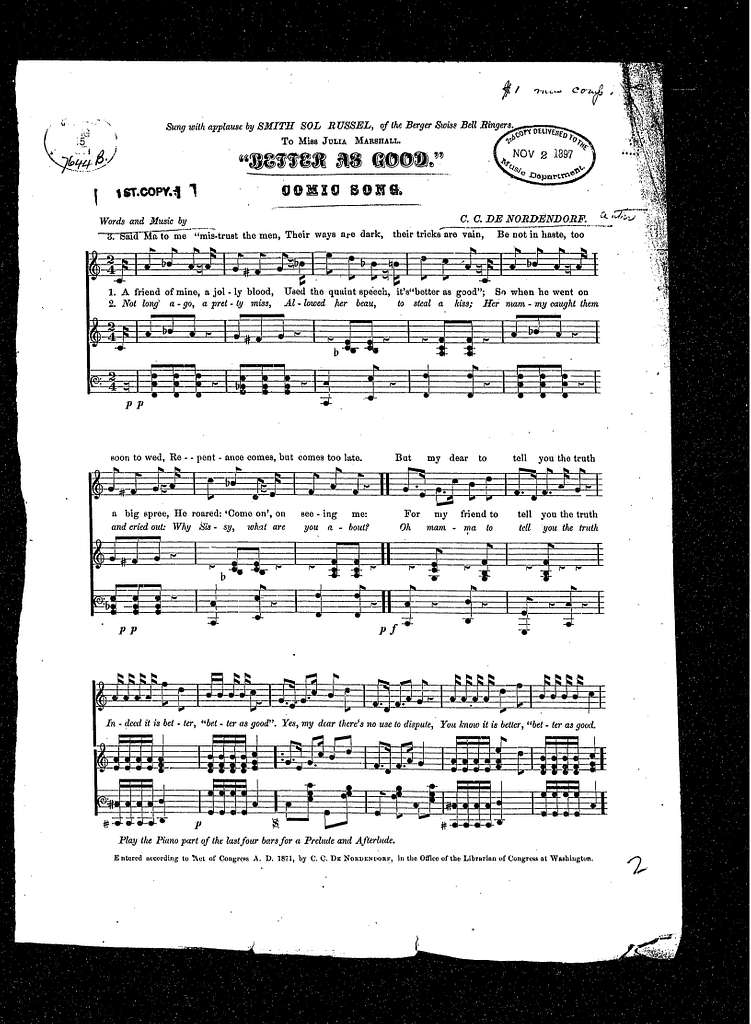
Two pages as they were scanned, and what copista-mini read from each. Press play on either score to hear it.
how it works
- Upload a PDF, or photos of its pages (PNG, JPEG or WebP).
- copista-mini reads every page: the notes, rests and parts, the key and time signatures, and the title and lyrics. It takes a few seconds a page.
- The score is saved in your workspace, where you can play it back, turn it into MIDI, or download it.
how accurate is it?
On OpenScore String Quartets, copista-mini's error rate is 8.3%, against 58.2% for the next released model (the figure its own paper reports). It is ahead on OpenScore Lieder and Polish Scores too. The research post has the benchmarks and how they were run.
questions
Is it free?
Yes, to try. Without an account you get 5 credits a week, and pages are read with copista-mini, as they are with an account. A free account gets 30 credits a week, which is about 30 pages of sheet music, read with copista-mini. Personal is $25 a month for 200 credits a day, with priority when the servers are busy.
Do I need an account?
No. Without an account you get 5 credits a week, and your files are kept in this browser. A free account gets 30 credits a week and 512 MB for your files in the workspace.
What can it read?
Real scans of printed sheet music, worn 1800s and 1900s editions included, and some handwritten scores: if even you have trouble reading a page, it will too. From a PDF or from images of its pages (PDF, PNG, JPEG or WebP). A PDF is read as one piece, and so are page images dropped or picked together, or in one folder. A piece can have many parts, like a string quartet or a choir with orchestra.
What do I get back?
A compressed MusicXML file (.mxl), which MuseScore, Finale, Sibelius and Dorico all open. In the workspace you can also play it back and turn it into MIDI.
Is this music OCR?
Yes. Reading sheet music from an image is called optical music recognition (OMR), or music OCR. copista-mini is kobimusic's own OMR model, and the research post goes over how it works.